Focused arrival windows
Useful updates and clear arrival timing.
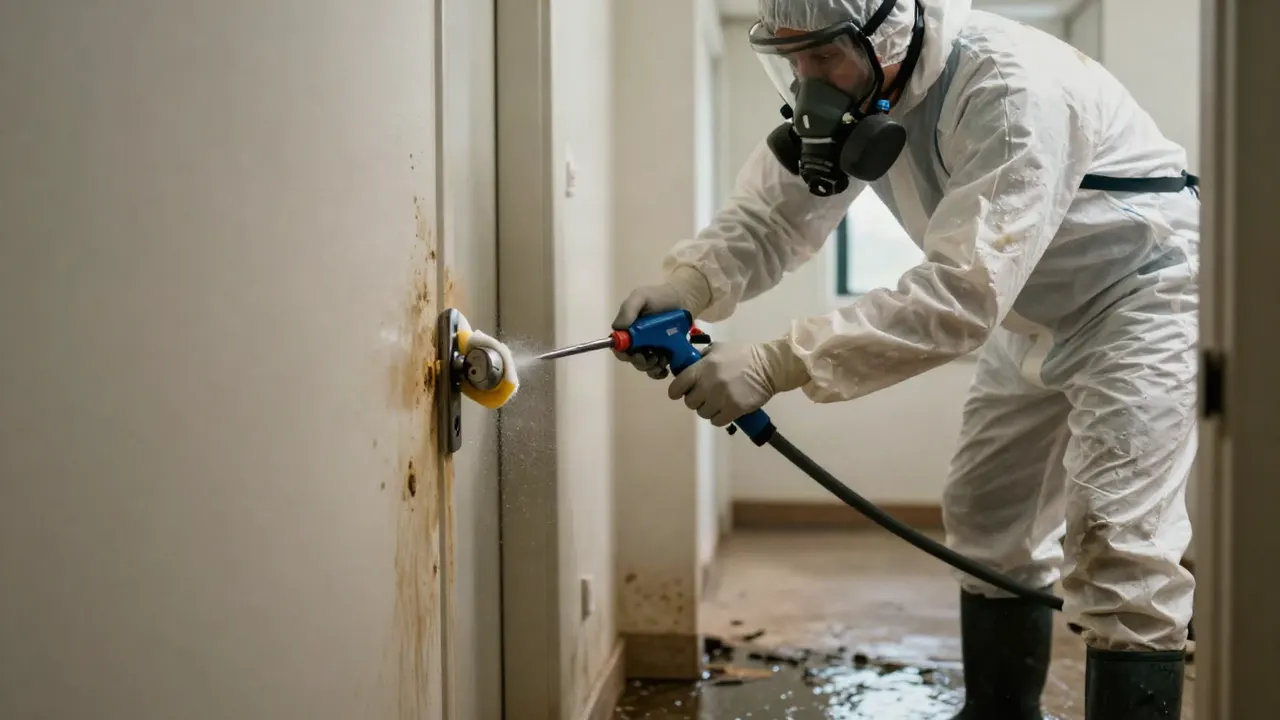
Sewage Backup Cleanup in tamiami means getting Category 3 black water out of your home before bacteria and mold take hold. Tamiami Water Restoration handles emergency sewage backup cleanup Tamiami FL homeowners call at 2 a.m., plus routine sewer backup cleanup in tamiami for backed-up lines in Kendale Lakes and Country Walk. We extract, sanitize, and dry. Call (305) 422-9067.
Useful updates and clear arrival timing.
Review the approach and price before deciding.
Equipped vehicles and respectful cleanup.
Neighbors serving neighbors with follow-through.
Every Sewage Backup Cleanup job includes the health-critical work: containment, extraction, removal of contaminated material, sanitizing, and verified drying. Rebuild items like new drywall, flooring, and paint are quoted separately once the structure passes a dry check. Here is what you get on the standard scope.
We seal off the affected area with plastic sheeting and duct tape so sewage dust and spores stay out of clean rooms. Technicians wear full personal protective equipment (PPE) for the duration, including respirators and disposable suits, because Category 3 water is a biohazard.
A truck-mounted water extractor and portable sump pump pull standing waste from floors and low spots. Contaminated solids go into heavy-duty trash bags with absorbent pads, and we haul everything off site. Nothing sits at the curb waiting for bulk pickup.
Every exposed surface gets an antimicrobial solution applied by hand, followed by a sanitizing fogger pass through the wall cavities and room air. This is the step that kills bacteria, clears foul odors, and protects indoor air quality after the water is gone.
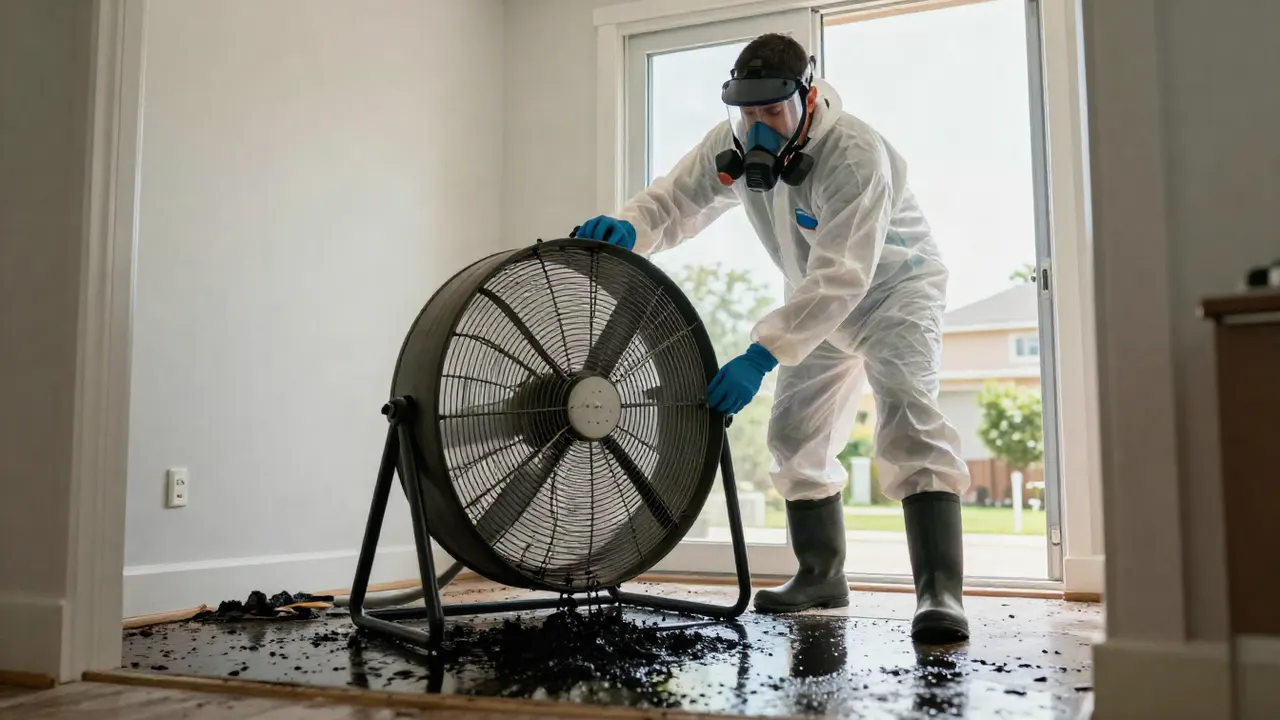
Air movers and dehumidifiers run for two to four days depending on saturation. We check daily with a moisture meter and thermal imaging camera, and we do not pull equipment until readings match a dry standard. You get the logs for your records.
We photograph affected materials before removal, record moisture readings, and write up a scope you can hand to your adjuster. That documentation is often the difference between a claim that gets paid and one that gets disputed. It also gives you a clear rebuild list.
Share what is happening and receive a clear next step from the local team.
Sewage Backup Cleanup in tamiami is Category 3 water damage remediation that removes black water, contaminated solids, and bacteria from a home, then sanitizes and dries every affected surface. It is not a mop-and-bleach job. Raw sewage carries E. coli, salmonella, hepatitis, and parasites, so our technicians suit up in personal protective equipment (PPE), pull standing waste with a truck-mounted water extractor, and treat walls, baseboards, and flooring with an antimicrobial solution before any rebuild starts.
In tamiami, most backups trace back to a blocked sewer line, a failing sewage pump, or roots pushing into older clay laterals. The 33175 and 33182 ZIP codes have plenty of 1970s and 1980s slab homes where a single backup soaks carpet, drywall, and cabinet toe-kicks in under an hour. That is why we run 24/7 sewage backup cleanup Tamiami Florida dispatch, and why we treat every call as a same-day sewage backup cleanup Tamiami FL job whenever the schedule allows.
You call (305) 422-9067 and describe what backed up and where. We ask about the source, how many rooms are wet, and whether anyone in the home has health issues. Then we dispatch a crew with extraction and PPE already loaded. In most of tamiami we are on site within 60 to 90 minutes.
We isolate the affected area with plastic sheeting and duct tape to keep sewage dust and spores out of clean rooms. Standing waste goes into heavy-duty trash bags and absorbent pads, then the truck-mounted water extractor pulls the rest. This stage usually runs one to three hours depending on volume.
Category 3 water means porous materials cannot be saved. We cut out contaminated drywall 12 to 24 inches above the water line, pull soaked carpet and pad, and remove any flooring that cannot be disinfected. Everything gets bagged and hauled off, not left at the curb.
We apply an antimicrobial solution to every exposed surface, then run a sanitizing fogger through the wall cavities and room air. Baseplates and studs get a second pass. This is the step that eliminates bacterial contamination and indoor air quality issues, and it is the one most cut-rate crews skip.
Air movers and dehumidifiers run for two to four days, and we check progress daily with a moisture meter and thermal imaging camera. When readings match a dry standard, we pull the equipment, document the result, and give you a rebuild plan for replacement drywall and flooring.
Pulls large volumes of standing black water from carpet, tile, and slab far faster than a portable unit. It is the first piece of equipment off the truck on most jobs.
Handles deep pools in laundry rooms, garages, and low spots where the extractor head cannot reach. We pair it with a wet/dry vacuum for the final pass on hard surfaces.
Run for two to four days to dry the structure after extraction. We use Dri-Eaz and Phoenix Restoration Equipment units, with Legend Brands dehumidifiers for larger rooms.
Find hidden saturation behind walls, under cabinets, and along slab edges. We log readings daily and do not pull equipment until the structure hits a dry standard.
Applies disinfectant as a fine mist that reaches wall cavities, baseplates, and stud bays. This is what clears foul odors and bacterial contamination that surface wiping misses.
Clears grease, roots, and debris from a blocked sewer line so the backup does not repeat. We recommend it when the same lateral has backed up more than once.
Detail work around toilet flanges, floor drains, and cabinet interiors where larger equipment cannot fit. Every crew carries both.
Our drying and documentation follow the IICRC S500 framework, which sets the dry standards and moisture readings we work to. It is also the language insurance adjusters expect to see in a scope of work, which speeds up claim approval.
Sewage is Category 3 water, meaning it is grossly contaminated. That triggers containment, PPE, removal of all porous materials, and antimicrobial treatment. We do not attempt to dry and save carpet or drywall that has been touched by black water.
After hand-applying disinfectant, we fog the room and wall cavities with an antimicrobial solution. The fog reaches surfaces a rag cannot, which is how we eliminate bacterial contamination and indoor air quality issues rather than just reducing them.
We take moisture meter and thermal imaging readings every day of the dry-down and log them. When readings match the dry standard for the material, we pull equipment. Until then, the dryers stay running.

We dispatch immediately with extraction and PPE loaded. The crew contains the area, pulls standing waste, removes soaked flooring and baseboards, and sets drying equipment before the room has a chance to grow mold. Most single-room backups are extracted the same night and fully dry in two to three days, with documentation ready for the insurance claim.
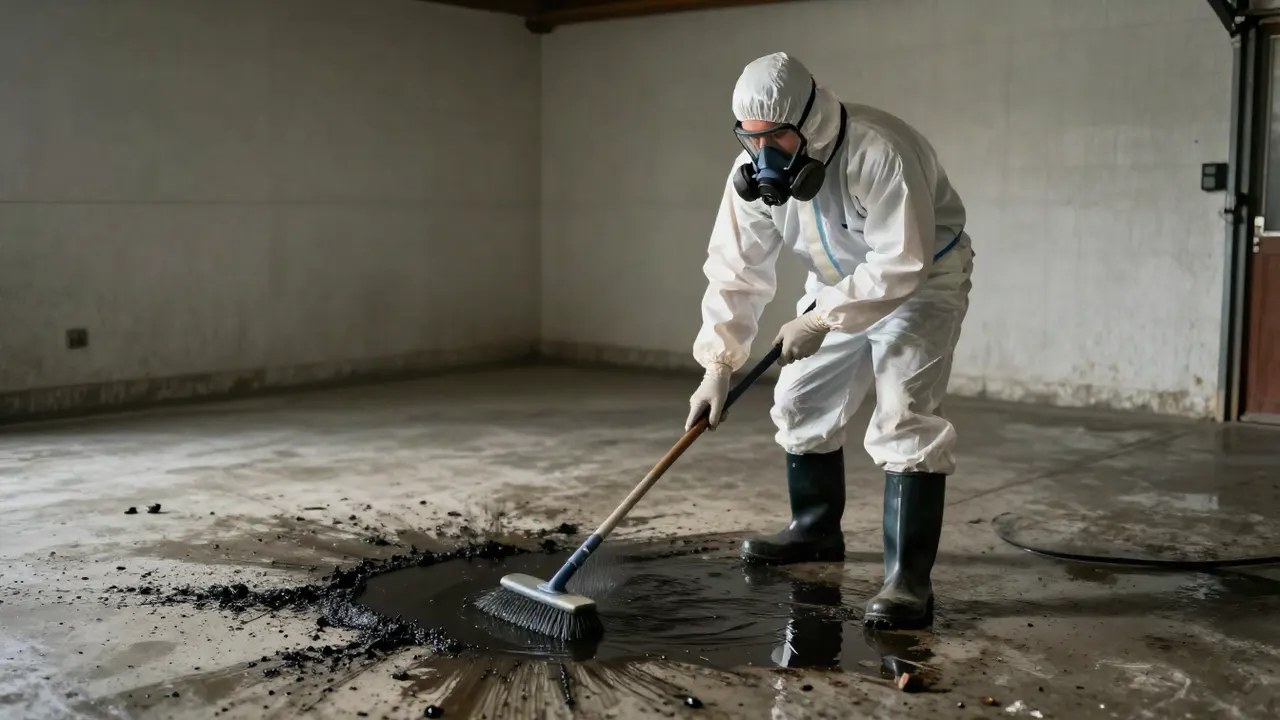
We pump out the standing waste with a portable sump pump and truck-mounted extractor, then pressure-wash and disinfect the slab. If the drain is tied to a failing sewage pump, we note it for repair. Garage slab is clean, disinfected, and dry within 48 hours, and you know whether the pump needs replacement before the next storm.
We coordinate access with the tenant or property manager, handle the full extraction and sanitizing scope, and send daily photo and moisture updates so the owner can track progress remotely. Unit is back to rentable condition in three to five days, with a documented scope the owner can submit to insurance.
We inspect with a thermal imaging camera and moisture meter to find hidden saturation behind the washer, in the wall cavity, or under the baseplate. If we find contaminated material, we remove and treat it. The source is found and treated instead of masked, so the odor does not return and no mold develops behind the wall.
Sewage Backup Cleanup in tamiami runs against a specific set of local conditions. The water table sits high, summer rain comes in fast bursts, and much of the housing stock was built between the 1960s and 1980s with cast iron or clay laterals that roots love. When a line blocks during a wet week, sewage backs up into the lowest fixture: a shower pan, a laundry drain, or a garage floor drain. Slab construction, common in the 33175 and 33184 ZIP codes, means there is no crawlspace to inspect, so we rely on a thermal imaging camera and moisture meter to find where the waste traveled. We also work under Florida Department of Health sanitation regulations on disposal and disinfection, and we hold a Florida Mold-Related Services License for the mold work that often follows. If you need a sewage backup cleanup service in Miami-Dade County, call (305) 422-9067 and we will scope it for the building type you actually have.
Mostly single-family homes on slab with older laterals. Backups here often show up first in a hallway bathroom or laundry room, and carpet in adjacent bedrooms is usually the first material to go.
Townhome and duplex clusters where a single main line serves multiple units. We coordinate access with tenants and property managers and document the shared-line issue for the owner.
A mix of older ranch homes and newer builds. The older homes tend to have cast iron drains nearing the end of their service life, which is a common root cause of repeat backups.
Closer to commercial corridors, with more multi-unit buildings and shared sewer connections. Extraction and containment have to be planned around shared walls and neighboring units.
Saturated ground means a blocked line backs up faster and the waste has nowhere to drain. We prioritize extraction speed and set dehumidifiers early because ambient humidity slows drying.
No crawlspace means we cannot visually inspect under the floor. We depend on a thermal imaging camera and moisture meter to map how far the contamination spread before we cut anything open.
These lines crack, scale, and attract roots. When we see a repeat backup pattern, we recommend a hydro-jetter pass or camera inspection so the cleanup is not undone by the next blockage.
Mold growth can start within 24 to 48 hours instead of the 72 hours common in drier climates. That shortens our window to extract, remove contaminated material, and start drying.
A blocked lateral sent black water through a hallway bathroom and into two bedrooms of a slab home in the 33175 ZIP code. Carpet, pad, and 18 inches of drywall were saturated, and the smell reached the front door within a day.
We extracted 40 gallons of waste, removed the carpet, pad, and contaminated drywall, treated the structure with an antimicrobial solution, and ran dryers for three days. Final moisture readings matched the dry standard, and the rebuild list was ready for the homeowner’s adjuster.
Maintenance: We recommended a camera inspection of the lateral and a hydro-jetter pass. The homeowner also added a sewage-resistant sealant at the baseplate before new flooring went down, which makes any future cleanup faster.
A tenant came home to sewage backing up through the laundry drain of a duplex. Water had spread under the washer, into the baseboards, and along the shared wall with the neighboring unit. The owner was out of state and needed updates remotely.
We extracted the standing waste, removed the soaked baseboards and flooring, fogged both sides of the shared wall, and dried the unit in four days. The owner received daily photos and moisture logs, and the tenant moved back in on day five.
Maintenance: We flagged the shared main line for a camera inspection and recommended the owner schedule a hydro-jetter pass every 12 to 18 months to keep roots from returning.
Heavy rain overwhelmed the city line and pushed sewage up through a garage floor drain. The slab was covered in roughly an inch of black water, and the smell had started to move into the adjacent kitchen through the door gap.
We pumped the standing waste with a portable sump pump, extracted the remainder, pressure-washed and disinfected the slab, and fogged the garage and kitchen entry. The slab was dry and odor-free within 48 hours.
Maintenance: We noted the sewage pump was nearing the end of its service life and recommended replacement before the next storm season, which is the usual cause of repeat garage backups in this area.
Sewage backups cause more than a wet floor. Left alone for a day, they turn into a health problem, a structural problem, and an insurance problem at the same time. Here are the ones we see most often.
Category 3 water contaminates porous materials on contact. Carpet, pad, and drywall cannot be disinfected, and leaving them in place feeds mold growth within 24 to 48 hours in South Florida humidity. We extract standing waste, cut out contaminated drywall 12 to 24 inches above the water line, and remove soaked carpet and pad. Then we treat the exposed structure with an antimicrobial solution and start drying the same day.
The smell is bacteria, not water. Wiping surfaces with bleach leaves bacteria in wall cavities and behind baseboards, so the odor returns as soon as the room warms up. We run a sanitizing fogger through cavities and room air after hand-applying disinfectant to every surface. That reaches the spots a mop cannot, which is why the odor stays gone instead of fading for a week.
A partially blocked lateral will back up again after the next heavy rain or the next load of laundry. Each event adds more contaminated material and more cost to the claim. We document the backup pattern and recommend a hydro-jetter pass or camera inspection of the lateral. If the line is clay and root-damaged, we tell you before you spend money on cleanup a second time.
Sewage wicks into baseplates, cabinet toe-kicks, and slab edges where you cannot see it. Trapped moisture there causes mold growth and structural water damage that shows up months later. We scan with a thermal imaging camera and confirm with a moisture meter. If a cavity reads wet, we open it, dry it, and treat it rather than closing it up and hoping. That is the difference between a fixed room and a recurring problem.
Our technicians hold IICRC Water Damage Restoration Technician (WRT) and Applied Microbial Remediation Technician (AMRT) credentials, plus OSHA Hazmat Training for handling Category 3 waste. We work under Florida Department of Health sanitation regulations and hold a Florida Mold-Related Services License for the mold side of sewage work. That combination matters because sewage cleanup sits at the intersection of water damage, biohazard, and mold. We have handled backups from single toilet overflows to full 4-inch main line failures in slab homes, and we treat every one the same way: contain, extract, remove, sanitize, dry, verify.
How much does sewage backup cleanup service cost in tamiami?
Most residential jobs run $450 to $2,800, with typical 2026 pricing in this area landing around $1,200 for a single bathroom or laundry room. Cost climbs with water volume, how many rooms are affected, and whether contaminated drywall or flooring has to be removed. Extraction-only jobs sit at the low end; full remediation with rebuild sits at the high end. We give you the number before we start.
Who does sewer backup cleanup near me in Tamiami FL?
Tamiami Water Restoration does, and we are local to the area rather than a national call center. We cover tamiami plus Kendale Lakes and Country Walk, and we run emergency dispatch 24/7. Call (305) 422-9067 and a technician will confirm the address, the source of the backup, and a rough arrival window in the same call.
Is sewage backup cleanup service in tamiami available 24/7?
Yes. We answer the phone around the clock, including holidays, because sewage backups do not schedule themselves. Overnight and weekend calls get the same crew and the same equipment as a weekday job. In most of tamiami we are on site within 60 to 90 minutes of the call, ready to extract and contain.
What is included in sewage backup cleanup in tamiami?
Every job includes containment, extraction of standing black water, removal of contaminated porous materials, antimicrobial treatment, fogging for odor and bacteria, and structural drying with air movers and dehumidifiers. We verify dryness with a moisture meter and thermal imaging camera, then document everything for your insurance claim. Rebuild, like new drywall and flooring, is quoted separately once the structure is dry.
Not seeing your question? Our local team can help you understand urgency, scheduling and what to expect.

When a main line backs up at 2 a.m., emergency sewage removal is the first phase of Sewage Backup Cleanup. We pump out standing waste, bag contaminated solids, and stop the source before it spreads to more rooms. Available 24/7 across tamiami and Miami-Dade County.
View service
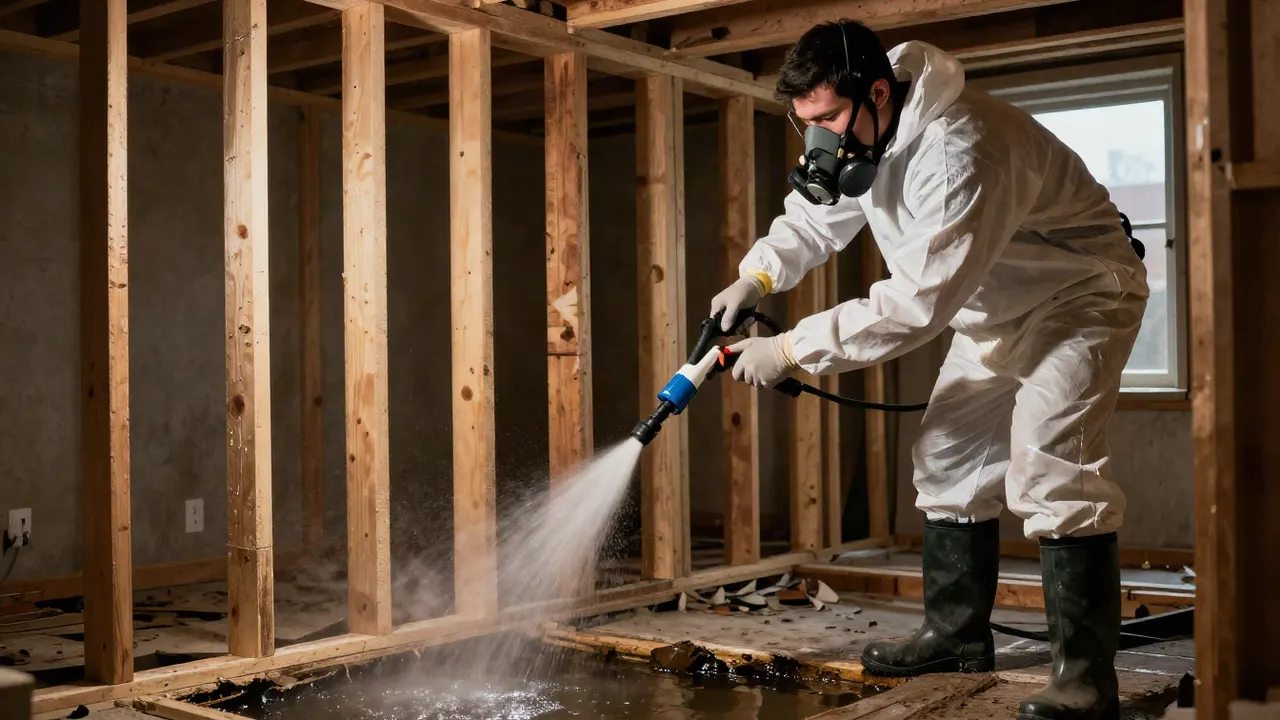
Extraction is where most of the water volume leaves your home. We use a truck-mounted water extractor and portable sump pump to pull sewage from carpet, tile, and slab, then measure what is left with a moisture meter. This step pairs directly with Sewage Backup Cleanup.
View service
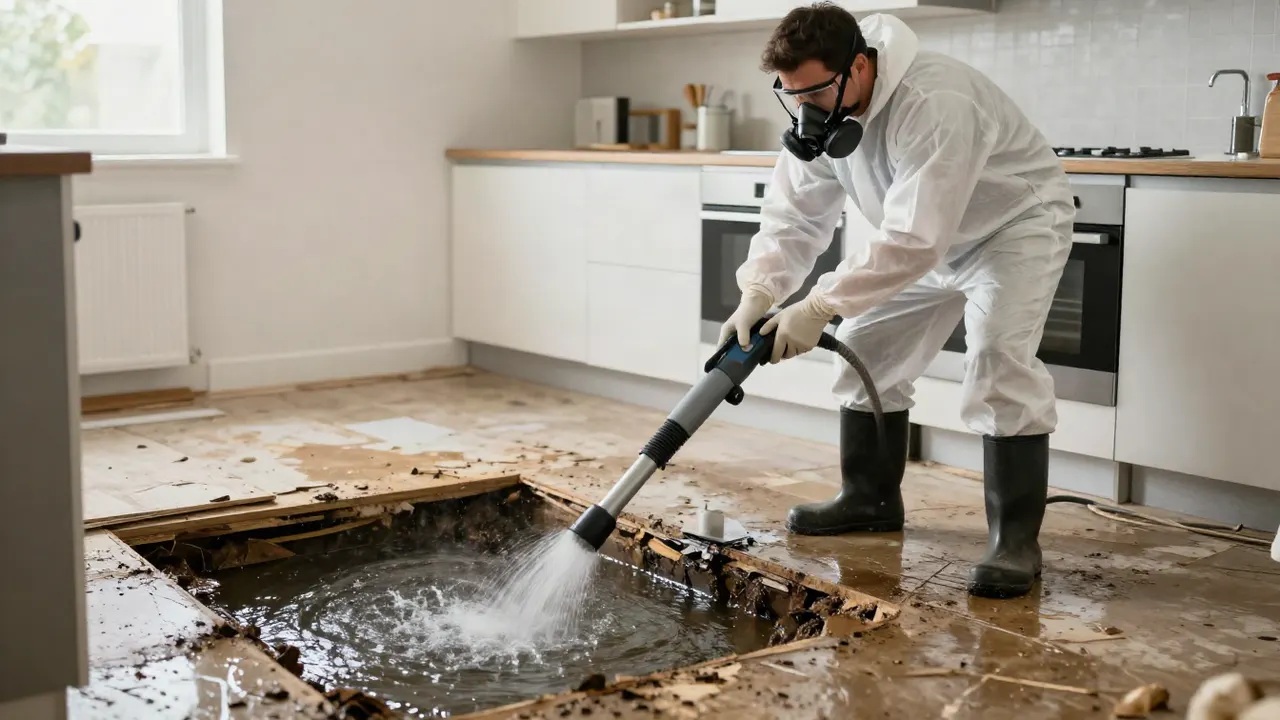
Once the structure is dry and sanitized, sewage damage restoration rebuilds what was removed: replacement drywall, replacement flooring, baseboards, and paint. We handle it as a continuation of Sewage Backup Cleanup so you are not coordinating two contractors.
View service
Black water cleanup is the Category 3 side of sewage work, covering the waste itself plus the bacteria and pathogens it leaves behind. We treat it with disinfectant and an antimicrobial solution, then fog cavities to clear foul odors and protect indoor air quality.
View service
Sewage in your home is a today problem, not a tomorrow one. Call (305) 422-9067 and we will dispatch a licensed, insured crew with extraction and sanitizing equipment. We answer 24/7, we quote before we start, and we document the job for your insurance claim.
Reach us any hour at (305) 422-9067. A live dispatcher answers, asks what backed up and where, and sends the nearest crew. We serve Tamiami, Kendale Lakes, Country Walk, and the surrounding Miami-Dade County ZIPs with same-day emergency response and a written estimate before work begins.