Focused arrival windows
Useful updates and clear arrival timing.
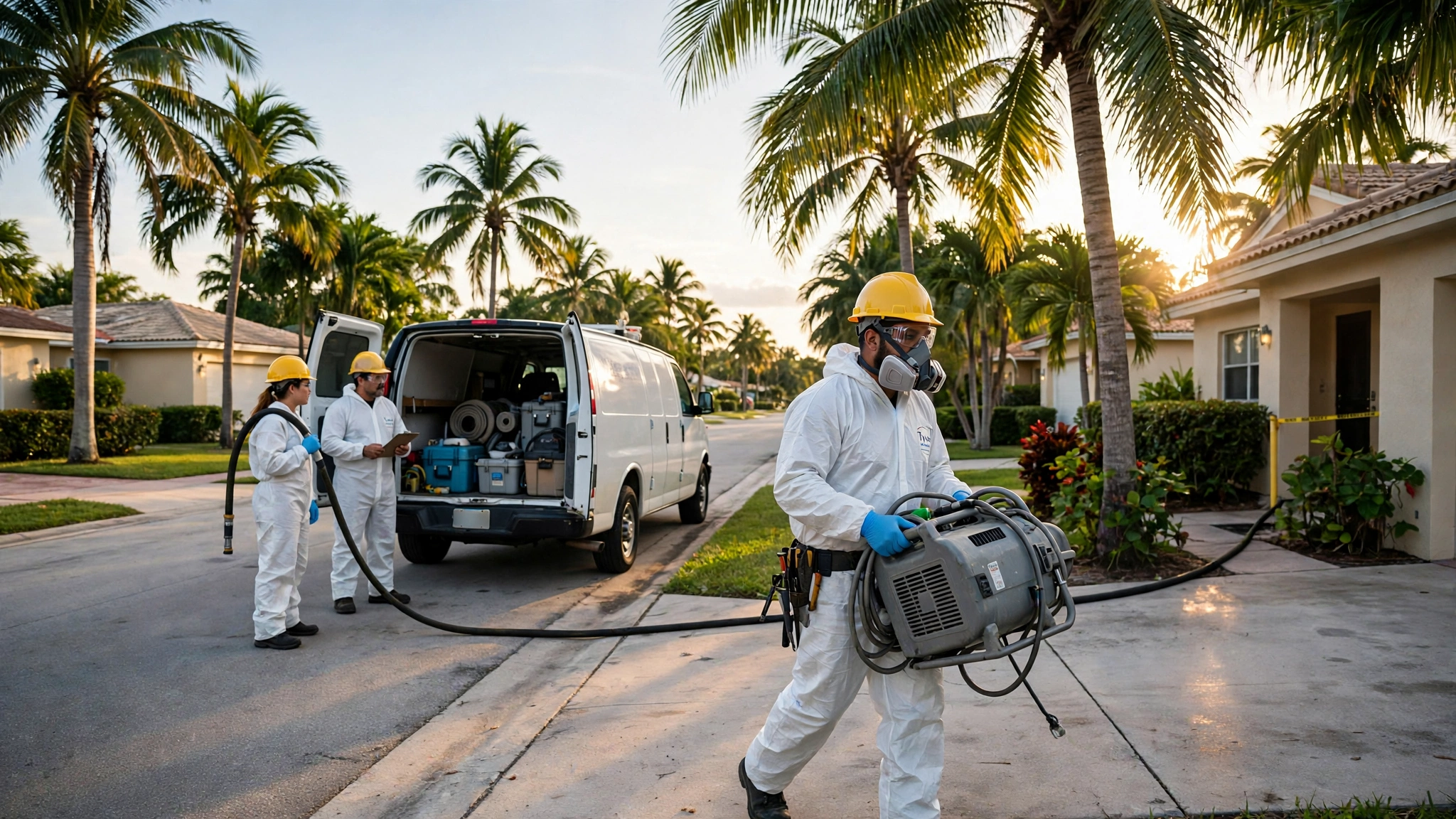
Along the Tamiami Trail corridor, homes and small apartment buildings share some of the oldest sewer infrastructure in the area. When a line gives up and sewage comes back inside, North Tamiami residents can reach a cleanup crew any hour of the day or night. Call (305) 422-9067.
Useful updates and clear arrival timing.
Review the approach and price before deciding.
Equipped vehicles and respectful cleanup.
Neighbors serving neighbors with follow-through.
North Tamiami — the Lake Pointe side of the community, up toward the Tamiami Trail (SW 8th Street) — is home to about 13,310 people in ZIP 33182. It is the part of Tamiami that grew up along one of Florida’s original highways, and it shows in the mix: single-family homes on side streets, small multifamily buildings, and older properties that have been added onto over the years.
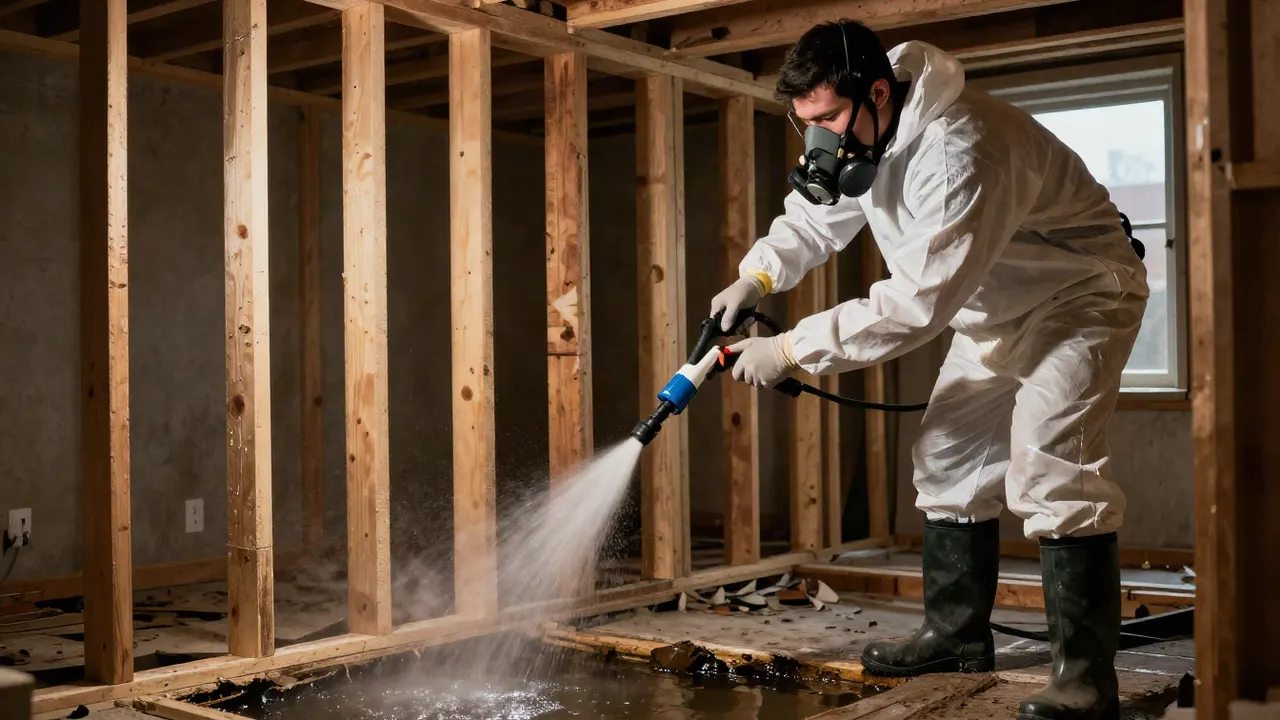
Full core service coverage for ZIP 33182 — houses, duplexes and small multifamily buildings. Every service below is available across North Tamiami, from the Trail corridor to the residential side streets behind it, around the clock.
Cleanup of sewage inside a home or ground-floor unit — including multi-unit situations where one failed line has affected more than one household. Extraction, removal, disinfection and drying, documented for owners, renters and insurers alike.
View service →02Backups do not keep office hours, and neither do we. North Tamiami is covered around the clock, including weekends and holidays — one call reaches a crew any hour of the day or night.
View service →03Extraction of standing sewage from slab floors, tiled bathrooms and laundry areas — the urgent first step before any cleaning or drying can begin. Truck-mounted and portable equipment sized for corridor homes and units alike.
View service →04Sewage damage restoration in North Tamiami means rebuilding what the backup ruined. We remove contaminated drywall, treat framing with sewage-resistant sealant, and replace flooring and baseboards so the room is whole again.
View service →05Every sewage job is handled as Category 3: protective gear, contained work zones, and disinfection suited to buildings where neighbors share walls — a black water standard that matters in duplexes and small apartment buildings.
View service →Age and density along the corridor drive most of the calls from 33182. Development along the Trail predates most of west Miami-Dade, so crews plan for older lines, shared mains, and add-on plumbing before they ever open a door.
Original sewer laterals along the Trail have simply been in the ground longer than most of west Miami-Dade — more years to corrode, crack and settle out of line. Backups here are rarely a surprise once the age of the line is known.
Duplexes and small multifamily buildings put many kitchens and bathrooms on a single line. One blockage — often grease from several kitchens at once — can back sewage into every ground-floor unit at the same time.
Garage apartments, added bathrooms and converted spaces are common near the corridor. Add-on plumbing tied into an old line at the wrong slope drains poorly and backs up first — often in the room the household uses most.
State sanitation rules govern how sewage-contaminated waste is handled and disposed of. We bag solids, pump liquids into approved containers, and dispose of them through proper waste channels on every North Tamiami job.
Parts of 33182 sit in mapped flood zones, and repairs there can carry specific material and elevation considerations. We scope the work with the county rules in mind so your rebuild does not stall on a technicality.
Corridor homes built before 1978 may contain lead paint. When we remove contaminated drywall or trim in older North Tamiami properties, we use lead-safe work practices and contain dust the same way we contain sewage.
North Tamiami has specific conditions that cause sewage backups again and again. Old lines, shared mains, and heavy kitchen use along the corridor all play a part. These are the problems we see most in 33182.
The Trail corridor’s original laterals have had decades for roots to find the joints and grow inside the pipe. A root mass catches everything passing by until the line closes — and in a multifamily building, every unit on that line feels it at once.
With denser housing and food businesses along SW 8th Street, grease is the repeat offender in this part of Tamiami. It coats older pipe walls a little at a time until a heavy rain or a busy evening finishes the blockage.
In North Tamiami’s small multifamily buildings, multiple households share a single sewer line. If one kitchen sends grease or wipes down the drain, the backup can surface in a neighbor’s ground-floor unit instead of the one that caused it.
Converted garage baths and added-on rear bathrooms often sit lower than the original house, or drain at a shallow slope. When the main line struggles, sewage takes the easiest path out — and that is the lowest, weakest run in the building.
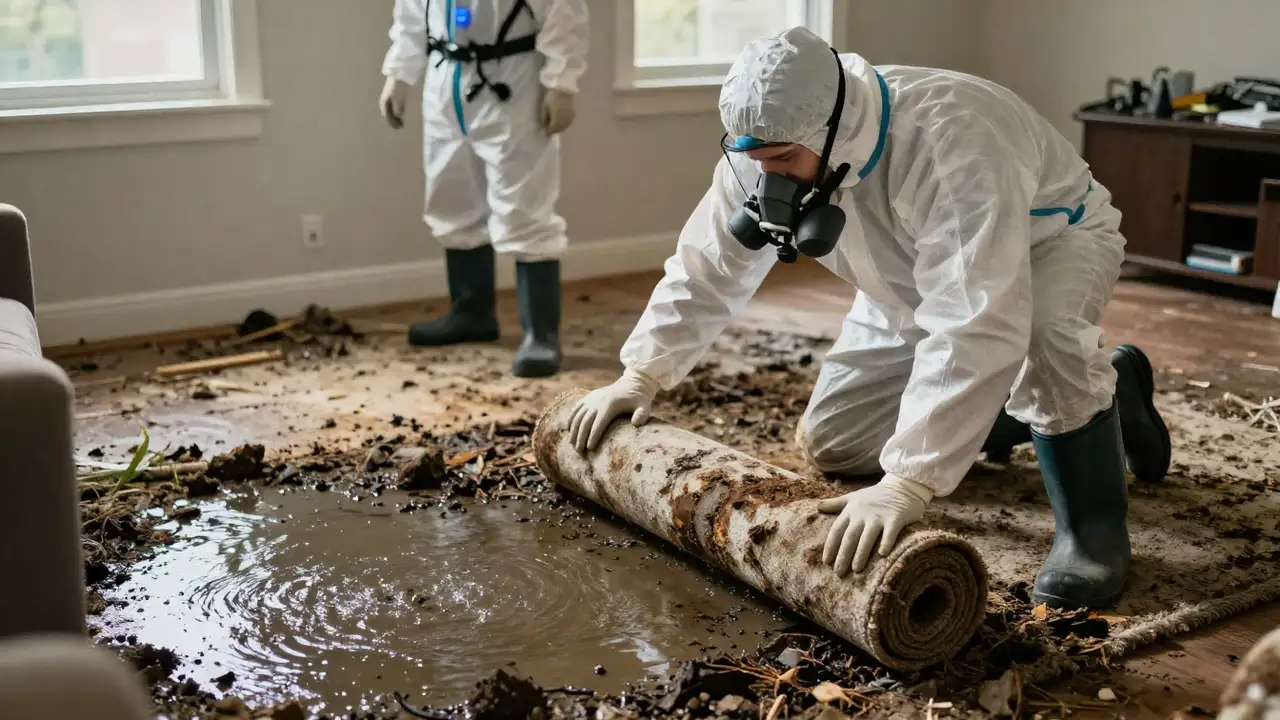
North Tamiami runs along one of Florida’s original highways, and knowing the corridor saves time on every call. We use the Tamiami Trail itself as the spine for routing, with Lake Pointe and the side streets behind the Trail as our reference points.
The Trail is the corridor’s main artery and our primary routing reference. Addresses near the Trail are reached from it directly, and the side streets behind it are where most corridor homes sit.
The Lake Pointe side of the community anchors the northern part of 33182. Its mix of single-family homes and small multifamily buildings is where many of our North Tamiami calls originate.
Fontainebleau Boulevard runs along the northern edge of the area and connects the corridor to the neighborhoods behind it. We use it to route around Trail traffic during busy hours.
Galloway Road is the main north-south route on the western side of North Tamiami. Calls near it are typically older single-family homes with original laterals and mature trees overhead.
Coral Way marks the southern reach of the North Tamiami service area. The blocks around it mix homes and small commercial properties on some of the area’s oldest sewer lines.
The restaurants and small businesses along SW 8th Street send heavy grease loads into shared lines. We serve several property managers along the strip after grease-driven backups.
The Blue Lakes streets sit just off the corridor — quiet residential blocks where add-on bathrooms and converted garages are common, and where backups surface in surprising places.
SW 8th Street east-west is how crews cross North Tamiami. We monitor traffic on it when dispatching, because a jam on the Trail slows every route behind it.
SW 107th Avenue is the eastern reference for the corridor — the boundary toward the university side of Tamiami, where duplexes and rental homes cluster along the side streets.
We cover all of ZIP 33182, from the Trail corridor storefronts to the residential side streets behind them. Our crews run regular routes through the neighborhoods below — if yours is not listed, call (305) 422-9067 and ask.
Lake Pointe is the residential heart of the north side — single-family homes and small multifamily buildings on lines as old as the neighborhood itself. Shared mains and ground-floor units are the pattern we plan for here.
The streets just behind the Trail mix homes with decades of additions — converted garages, added baths, rear extensions. Add-on plumbing tied into old lines is the most common backup source we find.
Blue Lakes is a quieter pocket of older homes where original clay and cast-iron laterals are reaching the end of their service life. Root intrusion is the number one cause of backups here.
The corridor itself — businesses and homes fronting SW 8th Street — runs on some of the oldest sewer infrastructure in the area, under a heavy daily grease load from restaurants and busy kitchens.
These examples show what a sewage backup looks like along the Trail corridor and how we fix it. Every job is different, but the patterns repeat: an old line, a shared main, and sewage that appears in the lowest room first.
A ground-floor unit in a small Lake Pointe apartment building took sewage from the shared main while the unit above kept flushing. We contained the unit, extracted and disinfected across both affected rooms, and documented the source so the owner could address the line itself.
A converted garage bathroom in Trail Heights flooded first during a whole-house backup — the add-on sat lower than the original plumbing. We extracted, removed the contaminated baseboards and flooring, and dried the conversion while the main line was cleared.
A duplex near the Trail had repeat backups traced to grease from two busy kitchens on one old lateral. After extraction and disinfection in both units, the owner scheduled a camera inspection and a grease-management plan for both kitchens.
North Tamiami does not have a harsh winter, but our wet season and hurricane season drive sewage backup calls — and old corridor lines feel the storms first. Here is what to expect through the year and how to prepare.
Spring brings the start of afternoon thunderstorms and the first heavy rains of the year. The ground is still relatively dry, so the water table is lower — a good window to deal with a line that has been gurgling all winter.
Summer is our busiest season for sewage backups. Daily thunderstorms saturate the ground, the high water table loads the municipal mains, and older laterals along the Trail back up into ground-floor units first.
Fall is still wet, and the ground remains saturated from summer rains. We see a second wave of backups in October and November, especially in multifamily buildings where several households share one stressed line.
Winter is our dry season, but it is not cold enough to freeze pipes. The lower water table means fewer backups — and holiday cooking sends the year’s heaviest grease load down corridor kitchen drains.
North Tamiami is part of a larger service region that includes East Tamiami, Kendale Lakes and Country Walk. Crews cross between these areas daily, so a call just outside 33182 still gets a local team that knows the ground.
Not every water damage company is equipped for sewage. Category 3 black water requires specific training, equipment, and disposal procedures. Before you hire anyone in North Tamiami, ask these questions — and expect straight answers.
Sewage cleanup requires proper training in water damage restoration and microbial remediation. If the company cannot explain its containment, disinfection and drying process, they may not know how to properly sanitize and dry the structure. That leaves you at risk for mold and bacterial contamination.
Sewage is a pollutant, and not all general liability policies cover it. If the company does not have pollution coverage, you could be left holding the cost of a cleanup gone wrong. Ask to see the certificate before work begins.
Proper disposal means bagging solids and pumping liquids into approved containers for transport to a permitted facility. If they plan to dump it in the storm drain or your yard, that is illegal and dangerous.
A good contractor takes photos, moisture readings, and a written scope before, during, and after the job. That documentation is what your adjuster needs — and in a multifamily building, it is also what owners and tenants will ask for afterward.
You should know the price before they start. A written estimate protects you from surprise charges. If they refuse to put it in writing, walk away.
Call us — and call your landlord right after. A sewage backup is a health hazard that should not wait for a callback chain. We will start the cleanup, document everything with photos and notes, and that documentation is what your landlord and their insurer will need. Keep any receipts and the documentation together for whoever ends up responsible for the bill.
Almost always, yes. Simultaneous backups in more than one unit point to the building’s shared main line rather than anything inside a single unit. Stop running water in all affected units if you can, keep everyone clear of the contaminated areas, and call (305) 422-9067 — the cleanup covers the affected areas once the shared line is cleared.
Added bathrooms and converted spaces are often plumbed at a shallower slope, or sit slightly lower than the original house. When the main line struggles, sewage takes the easiest path out — and that is the lowest, weakest drain run in the building, which is usually the add-on. The fix starts with cleanup; the lasting answer is having that line’s slope and condition inspected.
We provide 24/7 service across all of ZIP 33182 and match you with a crew serving the North Tamiami area. We will not quote you a minute-count we cannot stand behind — call, tell us what is happening, and we will tell you honestly on that call what the timing looks like.
Yes. We cover the whole of 33182 — the Trail corridor, Lake Pointe, and the residential side streets behind them — plus the rest of Tamiami in 33175, 33177, 33184 and 33194. If your address sits on a boundary, call (305) 422-9067 and we will confirm coverage on the spot.
Not seeing your question? Our local team can help you understand urgency, scheduling and what to expect.
Ask the local team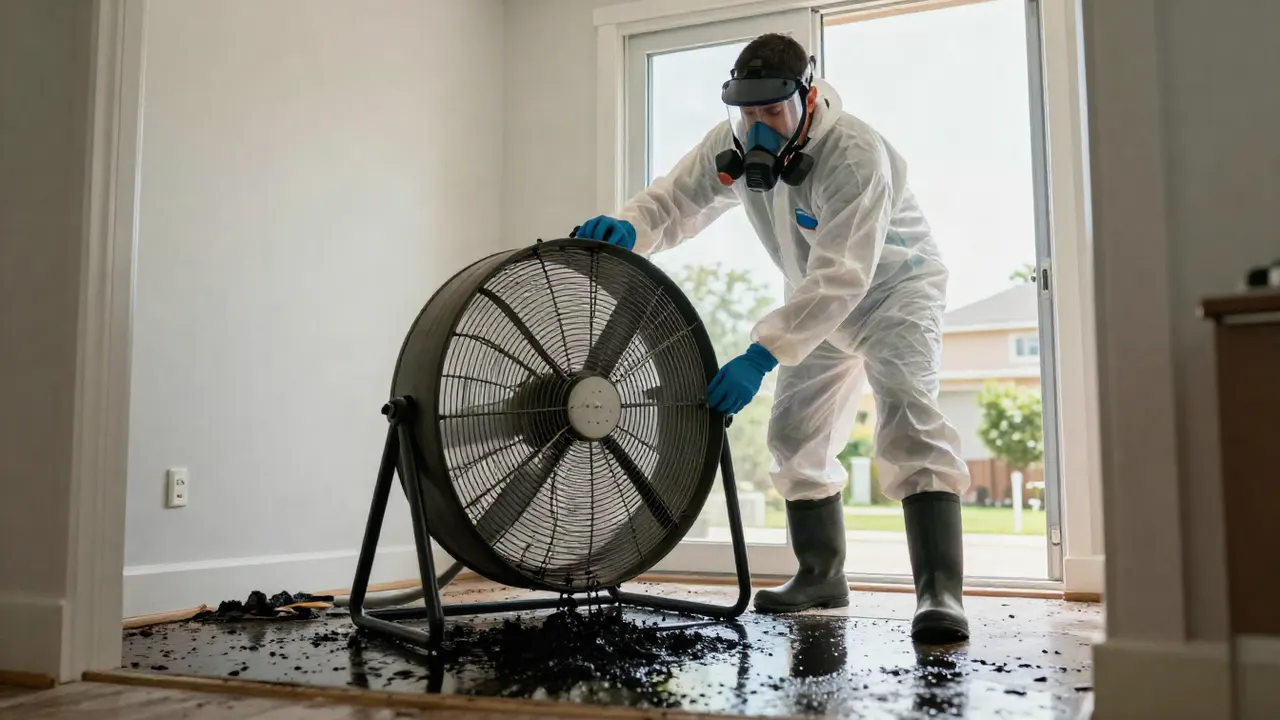
Reach us any hour at (305) 422-9067. A live dispatcher answers, asks what backed up and where, and sends the nearest crew. We serve Tamiami, Kendale Lakes, Country Walk, and the surrounding Miami-Dade County ZIPs with same-day emergency response and a written estimate before work begins.