Focused arrival windows
Useful updates and clear arrival timing.
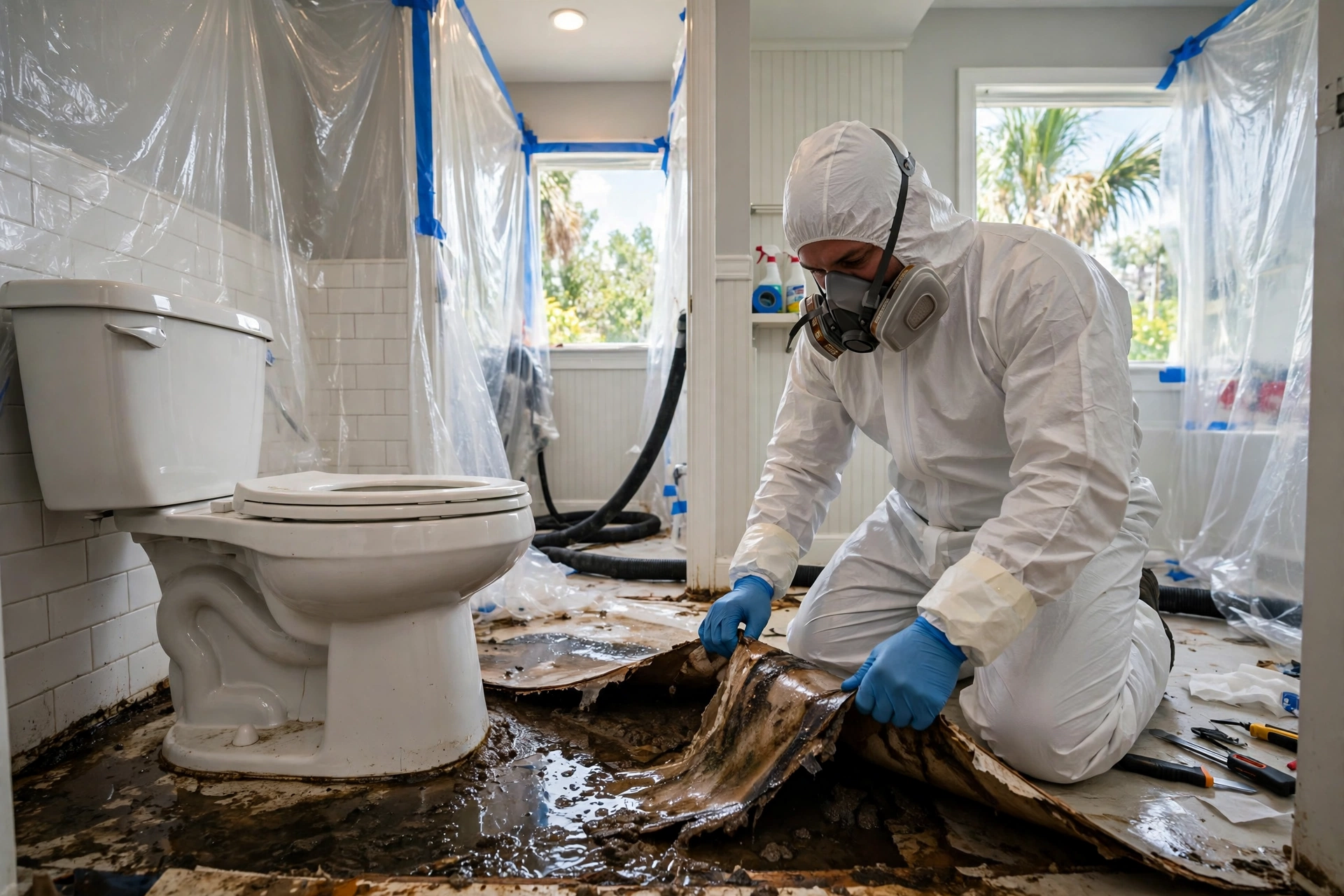
When sewage escapes in its raw form — pooled on a bathroom floor, spilled across a garage, or surfaced in the yard from a septic failure — it needs more than cleanup. It needs removal: the physical collection of sewage and contaminated debris, safe disposal, and sanitization of the floor or ground it covered. Tamiami Water Restoration does that work indoors and outdoors across Tamiami and western Miami-Dade County. Call (305) 422-9067 and we roll.
Useful updates and clear arrival timing.
Review the approach and price before deciding.
Equipped vehicles and respectful cleanup.
Neighbors serving neighbors with follow-through.
Every raw sewage job is different, but the core scope is consistent. Here is what a standard removal covers, from the first containment to the final sanitizing pass, and where follow-on work like drying or drywall replacement comes in. We walk the affected area with you first, so you know exactly what is being removed and why before we start.
The affected area is closed off first, because foot traffic is what carries contamination through a home or across a yard. Crews work in protective clothing, gloves, boots, and respiratory protection suited to direct sewage contact, and clean zones are sheeted off before any material moves.
Solid waste and sewage-soaked debris are collected by hand and with extraction equipment — never hosed down, which would push contamination into soil, drains, and clean areas. Contaminated porous items are bagged on the spot in heavy-duty bags.
Materials that cannot be sanitized — soaked carpet and padding, ruined belongings, affected soil at an outdoor spill — are removed and disposed of through proper wastewater and waste channels, so the hazard leaves your property entirely. Nothing is buried in the yard or washed into a storm drain.
With the material gone, the underlying floor, slab, or ground area is cleaned and disinfected. Indoors, this flows into the same disinfection and drying stages used in a full sewage backup cleanup; outdoors, the goal is a yard that is safe to walk and play on again.
Photos of the affected area before and after removal, plus a written record of what was taken out and how it was disposed of. You get a copy the same day, and the crew walks the finished area with you so you can see exactly what was done.
Share what is happening and receive a clear next step from the local team.
Raw sewage removal is the physical collection and disposal of sewage in its raw form — pooled wastewater, solids, and contaminated debris — before cleaning and disinfection can even begin. It is the job that comes first when a toilet overflow deposits solids across a floor, a broken cleanout leaks into a garage, or a septic failure surfaces sewage in the yard. The material carries bacteria, viruses, and parasites, and it does not become safe by drying out. We collect it, bag or tank it, and take it out through proper waste channels.
In Tamiami, raw sewage calls tend to start in a few familiar ways: an indoor overflow from a toilet, tub, or floor drain; a yard or septic overflow when a tank is full or a drain field fails under heavy rain and a high water table; or a cracked sewer lateral or failed cleanout cap leaking quietly into soil or a utility area — sometimes for days before the smell gives it away. If sewage is visible on your floor or in your yard right now, keep people and pets clear of it and call (305) 422-9067. We handle the rest.
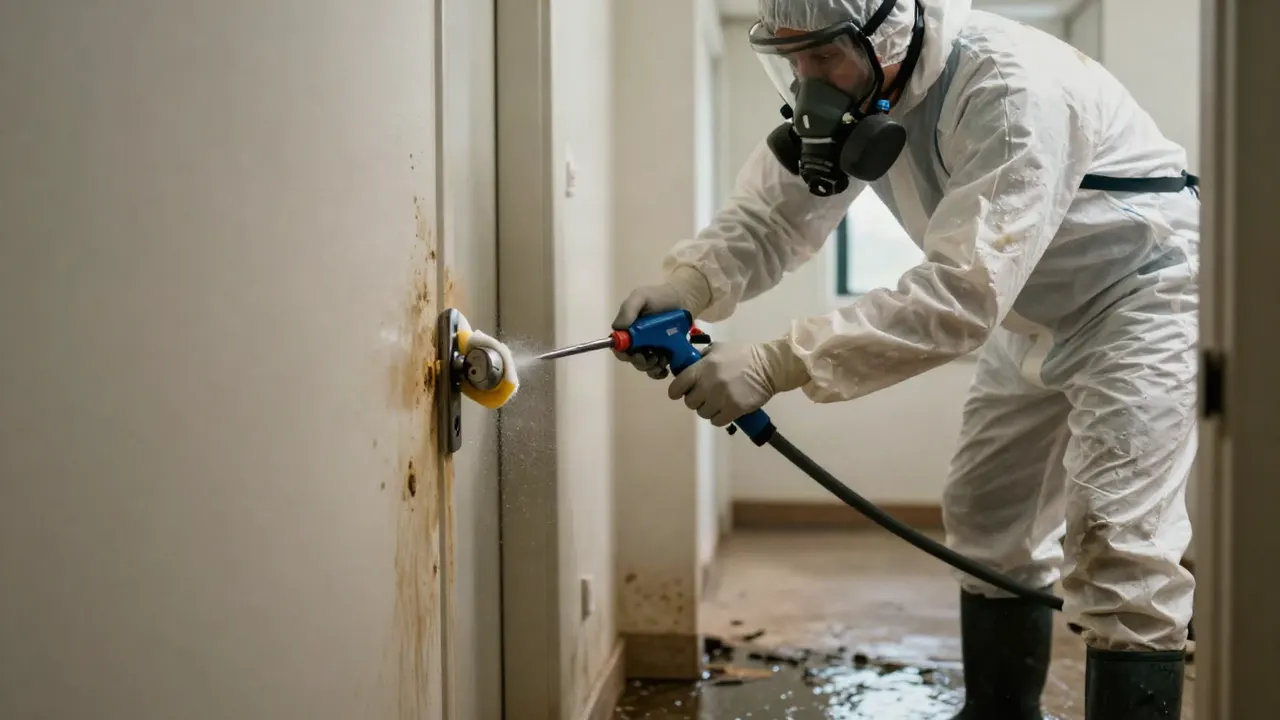
You call (305) 422-9067 and tell us where the sewage is — indoors, in the yard, or both — and roughly how much area it covers. We ask whether it is still flowing and whether a septic system is involved. A crew is dispatched with protective gear, collection equipment, and disposal containers already loaded.
We close off the affected area and sheet clean zones before any material moves, because foot traffic is what spreads contamination. The crew suits up in protective clothing, gloves, boots, and respiratory protection suited to direct sewage contact, and photographs the spill before work begins.
Solids and sewage-soaked debris are collected by hand and with extraction equipment — never hosed down. Material that cannot be sanitized is bagged or tanked on the spot and taken out through proper wastewater and waste channels, so the hazard leaves the property entirely.
With the material gone, the underlying floor, slab, or ground gets an antimicrobial solution and disinfectant. Indoors, we fog the room with a sanitizing fogger to reach behind baseboards and inside cabinets. Outdoors, the treated ground is left safe to walk on again.
Indoor jobs flow into drying: air movers and dehumidifiers run until moisture meter readings match dry standard. We then walk the finished area with you, hand over the photos and the removal record, and flag anything — like a failing septic system or cracked lateral — that needs a follow-up fix.
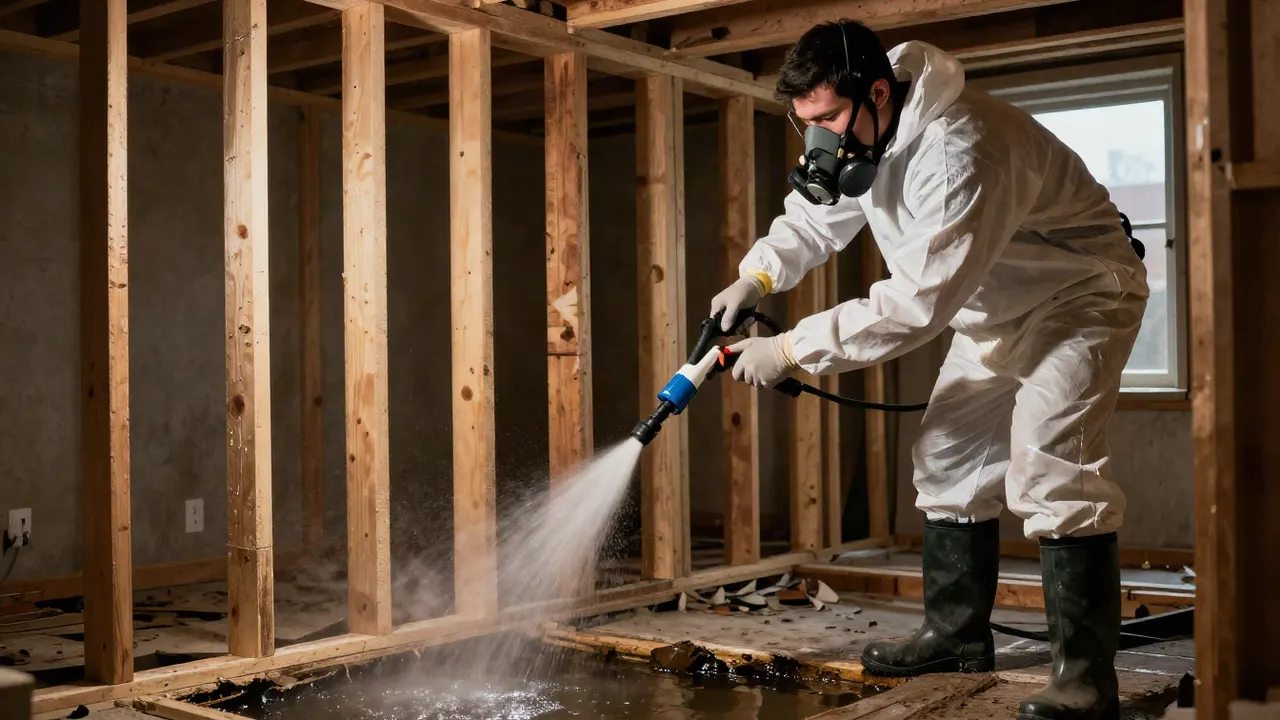
Tanks standing sewage and wash water on indoor spills and hauls it for proper disposal instead of dumping it on site. This is the workhorse when a spill is more liquid than solid.
Reaches floor drains, closets, and tight corners the truck unit cannot. We run RIDGID wet/dry vacuums and Little Giant and Zoeller pumps for the low spots.
Circulate air across wet drywall and flooring to speed evaporation. We size the count to the room, usually four to six units for a standard bathroom and hallway.
Pull humidity out of the air and confirm when the structure hits dry standard. We log readings daily so you can see the drying progress, not just take our word for it.
Finds water hidden behind tile, under cabinets, and inside wall cavities where a moisture meter alone would miss it. It is how we know the job is actually dry.
Clears grease, roots, and scale from the sewer line so the backup does not repeat. Extraction without clearing the line is a temporary fix.
Disperses disinfectant into the air and behind baseboards to knock down bacterial contamination and lingering odors after the water is gone.
We set drying goals based on material type and monitor with a moisture meter until readings match a dry standard. The log we hand you is written in the same format your adjuster uses to approve the claim.
Black water gets PPE, plastic sheeting, and duct tape barriers before extraction starts. Contaminated material goes into heavy-duty trash bags and out the door, never through the clean part of the house.
Every surface the water touched gets an antimicrobial solution and disinfectant, followed by a sanitizing fogger pass. This is the step that protects indoor air quality and stops mold growth before it starts.
We camera-scope the drain to find the blockage, then clear it with a hydro-jetter. Fixing the cause is what turns a one-time extraction into a permanent fix for your Tamiami home.
Call (305) 422-9067 right away. Keep kids and pets out of the room, and do not mop it up yourself — household cleaning just spreads contamination into grout and clean areas. We contain the room, collect the solids and debris, disinfect every touched surface, and set drying on the same visit.
Keep everyone off the affected ground and stop running water in the house to avoid adding load to the failing system. We take up the worst of the contaminated surface material, sanitize the area, and document the spill — while a septic professional addresses the tank or drain field that caused it.
The smell usually gives these away late. We collect the pooled sewage and soaked debris, remove material that cannot be sanitized, and disinfect the slab and the soil contact areas. The line itself needs a plumbing repair — we show you exactly where the leak has been running.
We extract and collect across both rooms, cut contaminated drywall at the base where it wicked up, and disinfect the framing. Everything is photographed and documented room by room — the record the landlord and insurer will ask for afterward.
Tamiami sits on a mix of 1960s and 1970s ranch homes, townhouse rows, and homes still on septic systems, and raw sewage work follows that mix. Older houses around 33175 and 33182 often have cast iron or clay laterals that crack and leak at cleanouts, while septic properties surface sewage in the yard when tanks fill or drain fields fail in the wet season. The discipline is the same indoors and out: contain, collect, remove, sanitize.
Mostly single-family homes with original cast iron drains. When a line lets go here, the result is often an indoor overflow that deposits solids across tile and grout — a collection job before it is a cleaning job.
Townhouse rows share drain runs, so one blocked branch can back up into a neighbor’s unit. Spills here often involve shared walls and shared yards, and we document the source before we close the job.
Older terrazzo floors hide water underneath, and several streets still run on septic systems. Yard surfacing from a full tank is a familiar call here after heavy rain.
Low-lying lots that hold water after heavy rain. Sewage surfacing outdoors often mixes with stormwater here, which spreads the contaminated area wider across the yard before anyone sees it.
Water has nowhere to drain, so spills spread faster and sanitizing takes longer. We take up more surface material on wet-season yard jobs and extend indoor drying and monitoring by a day.
Scale and cracks cause repeat leaks and overflows. We document what we find at the line and recommend repair or replacement so the removal is not a recurring job.
Drywall and framing hold moisture longer than in drier states. We dry to documented dry standards and verify with a moisture meter before pulling equipment.
A single blockage can affect multiple units. We document the source and coordinate with neighbors so the fix happens at the right place in the line.
A toilet overflowed overnight and left solids and black water across the bathroom tile and into the hallway carpet. The drywall was wet at the base, and the smell had already set into the grout lines.
We contained the room, collected the solids and soaked debris, and disinfected the tile, grout, and framing. Contaminated drywall came out at 24 inches, and air movers and a dehumidifier ran for three days until moisture readings hit dry standard.
Maintenance: Have the main drain scoped once a year. Cast iron lines in this part of Tamiami scale shut slowly, and a camera inspection catches it before the next overflow.
After a week of heavy rain, a septic system surfaced sewage across part of the yard at a townhouse, right where the kids play. The ground was saturated and the tank was overdue for pumping.
We kept the family off the area, took up the contaminated surface material, and sanitized the ground. The spill was photographed and documented for the owner while a septic professional was booked to pump and inspect the tank.
Maintenance: Pump the tank on schedule and watch the drain field after storms. Surfacing that comes back after rain usually means the field, not just the tank, needs attention.
A cracked cleanout cap had been leaking raw sewage into a garage and the soil beside it for days before the smell gave it away. Pooled sewage had soaked stored boxes and the bottom of the wall.
We collected the pooled sewage, removed the soaked material that could not be sanitized, and disinfected the slab and soil contact area. The leak point was flagged and photographed so the plumbing repair could go straight to it.
Maintenance: Check cleanout caps during yard work. A cracked cap is a cheap part that quietly turns into a removal job if it leaks unnoticed.
Most sewage calls come down to a handful of root causes. Here are the ones we see most often in Tamiami, and what happens if they get ignored.
Raw sewage spreads across the floor within minutes and soaks into grout, baseboards, and the bottom of drywall. Left overnight, it feeds mold growth and leaves contamination that no surface wipe removes. We collect it properly instead of pushing it around the room.
Water wicks under tile and into the wall cavity behind the toilet, where a moisture meter is the only way to see it. Drywall that stays wet past 48 hours usually has to be cut out. Our crew removes the contaminated material, disinfects the cavity, and dries what remains.
Odor means bacteria are still in the walls, grout, or soil. Masking it with air freshener just hides a contamination problem that keeps coming back, especially in humid Florida summers. We remove the source material and disinfect, rather than covering the smell.
A cracked lateral or failed cleanout leaks quietly, and a line that backs up once will back up again. Each event adds another layer of contamination to the same flooring, framing, or yard. We document what we find so the repair targets the actual cause.
Raw sewage is the dirtiest material a home or yard ever sees, and it takes more than gloves and a shovel to handle it correctly. Our technicians are trained for direct contact with contaminated material, with full protective equipment on every removal job, and the work follows a documented process: contain, collect, remove, sanitize. If you want to know how a spill on your property would be handled, ask us to walk you through it — we are glad to explain every step before we start.
For a very small outdoor spot, a careful homeowner with gloves and boots can bag obvious debris — but anything beyond that, and anything indoors, is better left to crews with full protective equipment, extraction tools, and proper disposal. The risks are invisible: bacteria on surfaces, aerosols in the air, and contamination tracked to clean areas on footwear.
Collected sewage, contaminated materials, and soaked debris are bagged or tanked on site and disposed of through proper wastewater and waste channels. Nothing is buried in your yard, washed into a storm drain, or left in household trash where it endangers others.
Stop using water in the house to avoid adding load to the failing system, keep people and pets off the affected area, and call. The removal crew handles the spill itself — collection, removal of contaminated surface material, and sanitization — while a septic professional addresses the tank or drain field that caused it.
Indoors, safety comes from the full sequence: removal, cleaning, disinfection, and drying, verified by inspection and moisture readings. Outdoors, the visibly contaminated material is removed and the area sanitized. In both cases the crew walks the finished area with you so you can see — and ask about — exactly what was done.
Not seeing your question? Our local team can help you understand urgency, scheduling and what to expect.
Ask the local team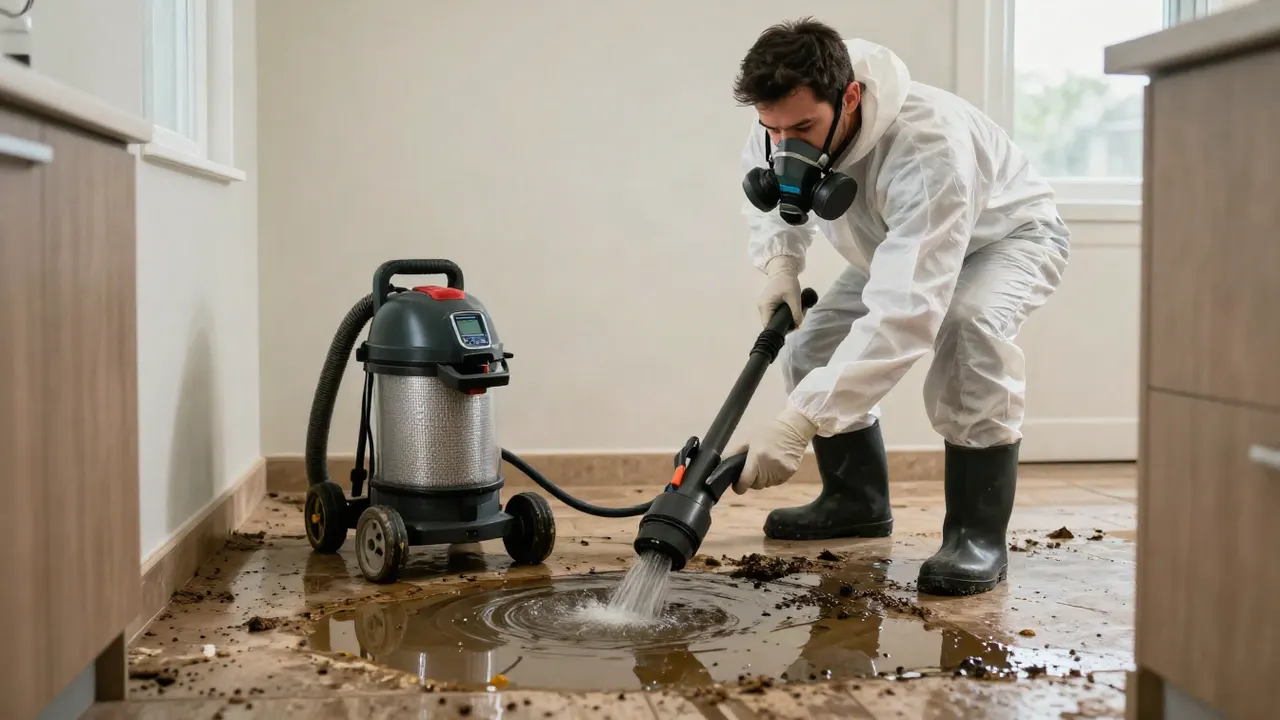
Once the raw material is out, sewage backup cleanup handles the contaminated surfaces, baseboards, and flooring the spill touched. In Tamiami we typically cut drywall at 24 inches, bag it, and disinfect the framing so the room can be rebuilt.
View service
Emergency sewage cleanup is the 24/7 dispatch side of what we do. When sewage escapes at 2 a.m. in Kendale Lakes or Country Walk, we roll with collection gear, protective equipment, and extraction tools so the spill stops spreading while we work.
View service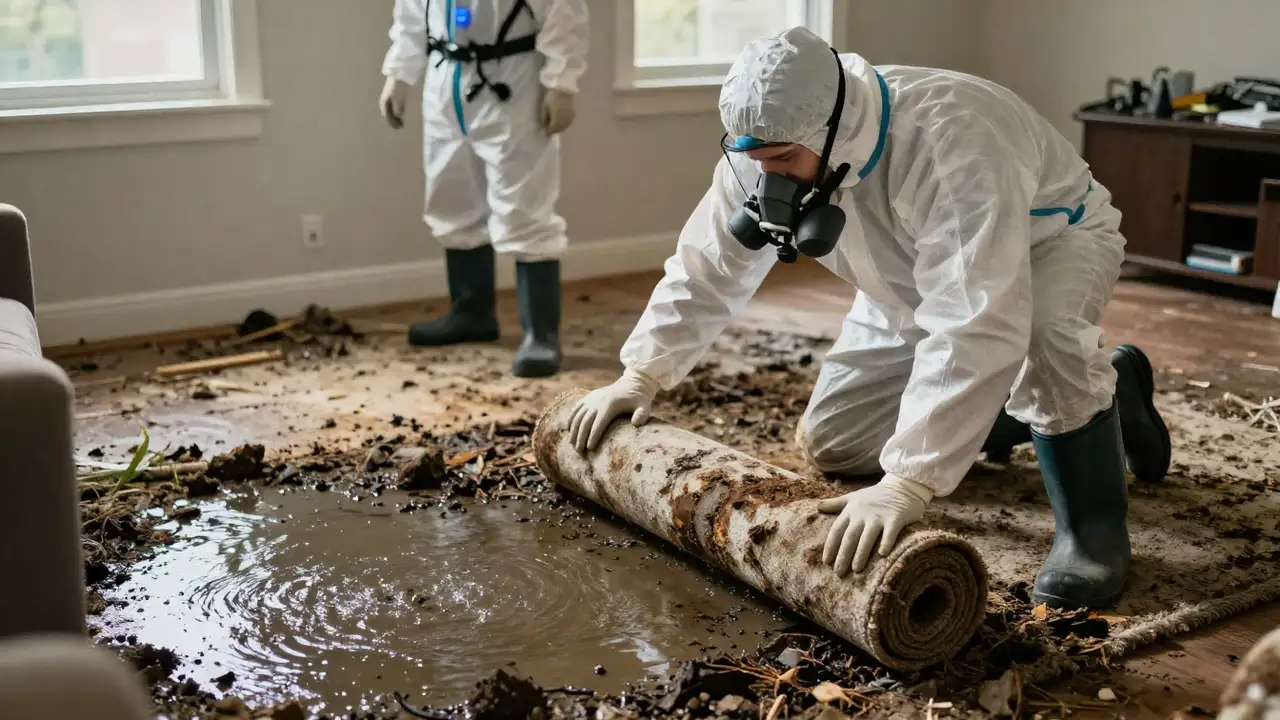
Sewage water extraction pulls the standing liquid out with truck-mounted equipment — the step that pairs with raw sewage removal when a spill is more water than solids. We meter the structure afterward so drying is verified, not guessed.
View serviceWhen the main line is the failure, sewer line backup cleanup covers the whole-area cleanup after the line is cleared — every room the sewage touched, extracted, disinfected, and dried, with the damage documented across all of them.
View service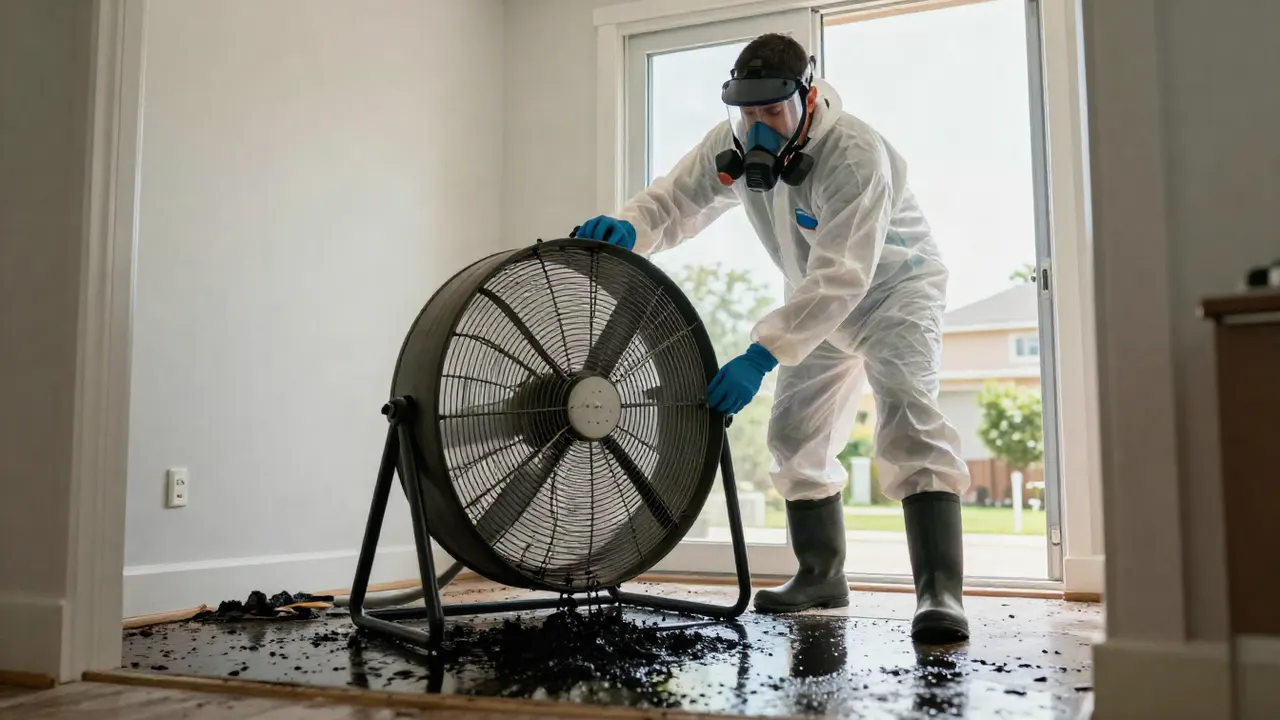
Reach us any hour at (305) 422-9067. A live dispatcher answers, asks what backed up and where, and sends the nearest crew. We serve Tamiami, Kendale Lakes, Country Walk, and the surrounding Miami-Dade County ZIPs with same-day emergency response and a written estimate before work begins.